How Much Do Solar Panels Cost in 2026?
Complete Pricing Guide for US Homeowners
Last Updated: 2026 | Average Cost • Installation • Tax Credits • Financing • State Prices
Going solar is one of the smartest financial decisions an American homeowner can make in 2026. But before signing any contract, you need a clear answer to the most important question: how much do solar panels cost?
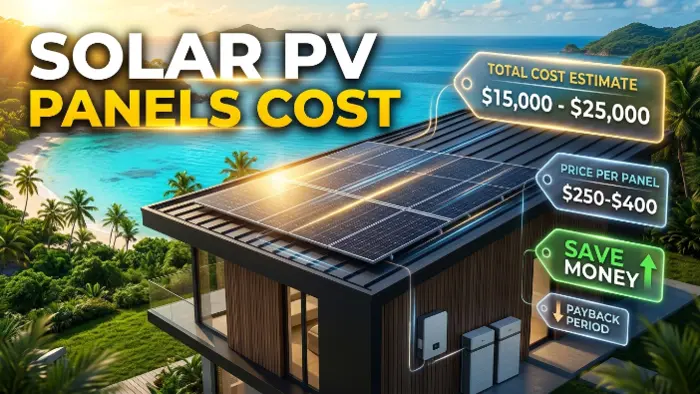
The short answer: a typical home solar system in the US costs between $15,000 and $30,000 before incentives. After the 30% federal tax credit, most homeowners pay $10,500 to $21,000. But the exact number depends on your home size, location, panel brand, and installer.
This guide gives you every number you need — from the average cost of solar panels by system size, to installation costs, state-by-state pricing, financing options, and how to use incentives to bring your cost down as far as possible.
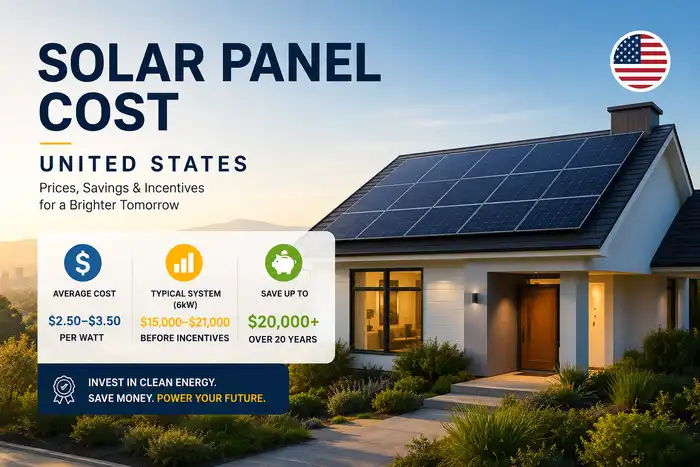
Key Stat: The average solar panel cost in the US is $2.50–$3.50 per watt installed. A 6kW system — right for most American homes — costs $15,000–$21,000 before the federal tax credit, or $10,500–$14,700 after it.
What Is the Average Cost of Solar Panels in 2026?
The average cost of solar panels in the United States is approximately $2.95 per watt installed — a figure that has dropped more than 60% over the past decade. For a complete home system, that translates to the following price ranges:
| System Size | Avg. Total Cost | After 30% Tax Credit | Homes It Suits |
| 4 kW | $10,000 – $14,000 | $7,000 – $9,800 | Small home / apartment (under 1,200 sq ft) |
| 5 kW | $12,500 – $17,500 | $8,750 – $12,250 | Average home (1,200–1,500 sq ft) |
| 6 kW | $15,000 – $21,000 | $10,500 – $14,700 | Most US homes (1,500–2,000 sq ft) |
| 8 kW | $20,000 – $28,000 | $14,000 – $19,600 | Larger home / EV owner (2,000–2,500 sq ft) |
| 10 kW | $25,000 – $35,000 | $17,500 – $24,500 | Large home / high electricity use |
| 12 kW | $30,000 – $42,000 | $21,000 – $29,400 | Very large home / home office / pool |
These prices include everything: solar panels, inverter, mounting hardware, wiring, permits, and professional installation. They do not include optional battery storage, which adds $8,000–$15,000 for a quality system like the Tesla Powerwall.
What Does Solar Panel Price Per Watt Mean?
When you shop for solar, every installer quotes a solar panel price in dollars per watt ($/W). This is the most useful number for comparing quotes because it normalizes for system size. Here is what different price-per-watt figures mean in practice:
| Price Per Watt | Quality Level | What to Expect |
| Under $2.50/W | Budget | Entry-level panels, basic string inverter, minimal warranty support |
| $2.50 – $3.00/W | Standard | Tier-1 panels (Canadian Solar, Q CELLS), solid 25-year warranty |
| $3.00 – $3.50/W | Premium | High-efficiency panels (REC, SunPower), microinverters, full monitoring |
| Above $3.50/W | Ultra-premium | Top-tier panels, Tesla Powerwall included, white-glove service |
A reputable installer offering $2.70–$3.20/W is typically competitive and fair. Be cautious of quotes under $2.00/W (corners being cut) or over $4.00/W without a clear justification like battery storage.
How Much Does a Solar Panel Cost Individually?
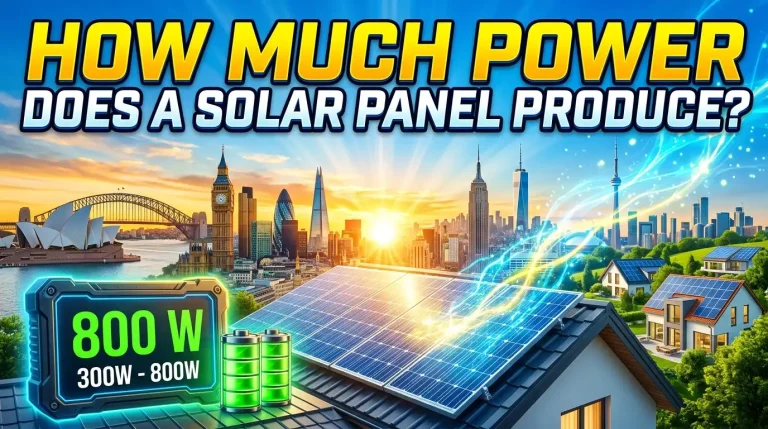
If you are curious about how much does a solar panel cost as a single unit — perhaps for a DIY project, RV, or shed — here is the retail price range by wattage:
| Panel Wattage | Retail Price (Panel Only) | Common Brands at This Size |
| 100W | $80 – $130 | Renogy, HQST, ECO-WORTHY |
| 200W | $130 – $200 | Renogy, Newpowa, Rich Solar |
| 300W | $180 – $280 | Canadian Solar, Jinko, Q CELLS |
| 400W | $220 – $350 | LG, REC, SunPower, Silfab |
| 500W | $280 – $430 | Longi, Trina, Canadian Solar |
Important: these are panel-only prices. For a full home installation, the panel cost is only 30–40% of the total project. You still need an inverter ($1,000–$2,500), racking ($500–$1,500), wiring, permits, and labor — which together can equal or exceed the panel cost itself.
Quick tip: A 400W panel from a Tier-1 brand costs $220–$350 retail. A complete 15-panel, 6kW system installed professionally costs $15,000–$21,000 — roughly 15–20x the cost of a single panel.
Solar Panel Installation Cost: What Does Labor Add?
The solar panel installation cost is more than just screwing panels onto a roof. A professional installation includes site assessment, system design, permits, electrical work, utility interconnection, and final inspection. Here is how those costs break down:
| Installation Component | Typical Cost | Notes |
| Labor (install crew) | $1,500 – $4,000 | Higher for steep or complex roofs |
| Permits & inspections | $500 – $1,500 | Required in every US state |
| Electrical panel upgrade | $500 – $2,000 | Only if your panel is outdated |
| Inverter | $1,000 – $3,000 | String inverter vs. microinverters |
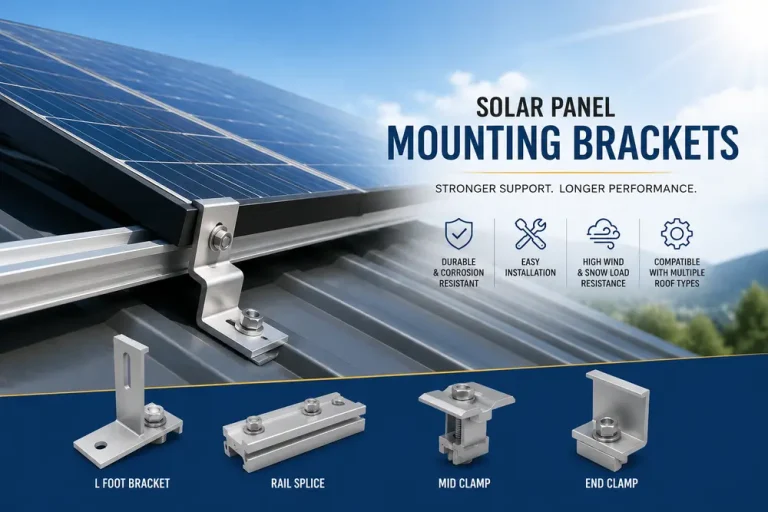
| Mounting & racking system | $500 – $1,500 | Roof mount is standard; ground mount costs more |
| Utility interconnection | $100 – $500 | Grid hookup fee charged by your utility |
| Monitoring system | $200 – $500 | Tracks production in real time |
| Total installation add-on | $4,300 – $13,000 | Added on top of the panel cost |
This is why the solar panel installation cost for a complete turnkey system is significantly higher than just buying panels. Always ask your installer for a fully itemized quote so you know exactly what you are paying for.
Installation Cost by Home Size
Not sure what size system you need? Use this table to match your home to the right system and get a realistic budget:
| Home Size | Recommended System | Total Installed Cost | After Tax Credit |
| Under 1,200 sq ft | 3–4 kW | $7,500 – $14,000 | $5,250 – $9,800 |
| 1,200–1,500 sq ft | 4–5 kW | $10,000 – $17,500 | $7,000 – $12,250 |
| 1,500–2,000 sq ft | 5–7 kW | $12,500 – $24,500 | $8,750 – $17,150 |
| 2,000–2,500 sq ft | 7–9 kW | $17,500 – $31,500 | $12,250 – $22,050 |
| 2,500–3,000 sq ft | 9–11 kW | $22,500 – $38,500 | $15,750 – $26,950 |
| 3,000+ sq ft | 11–13 kW | $27,500 – $45,500 | $19,250 – $31,850 |
These figures assume average US electricity rates and sun hours. Your actual system size may differ based on how much electricity you use each month. A good installer will calculate this from your utility bills before giving you a solar panel installation cost calculator estimate.
Solar Panel Cost by State: Where You Live Matters
Labor costs, permit fees, electricity rates, and local competition all affect what you pay. Here is a state-by-state comparison of what a standard 6kW system costs:
| State | Avg. 6kW System Cost | After Incentives | Key Notes |
| California | $16,000 – $22,000 | $11,200 – $15,400 | High electricity rates = fast payback |
| Texas | $14,000 – $20,000 | $9,800 – $14,000 | Cost of solar panels in Texas varies by city |
| Florida | $13,000 – $18,000 | $9,100 – $12,600 | Excellent sun hours, strong market |
| Nevada | $12,000 – $17,000 | $8,400 – $11,900 | Solar panels Las Vegas prices are very competitive |
| Arizona | $12,000 – $16,500 | $8,400 – $11,550 | Best sun in the US — great ROI |
| Colorado | $14,000 – $19,000 | $9,800 – $13,300 | Costs rising; install in 2026 to lock in lower rates |
| New York | $16,000 – $23,000 | $8,000 – $11,500 | State incentives reduce net cost significantly |
| Massachusetts | $17,000 – $24,000 | $8,500 – $12,000 | SMART program adds ongoing income |
| New Jersey | $15,000 – $21,000 | $8,000 – $11,500 | Strong SREC market |
| Illinois | $14,500 – $20,000 | $9,500 – $13,500 | Illinois Shines program available |
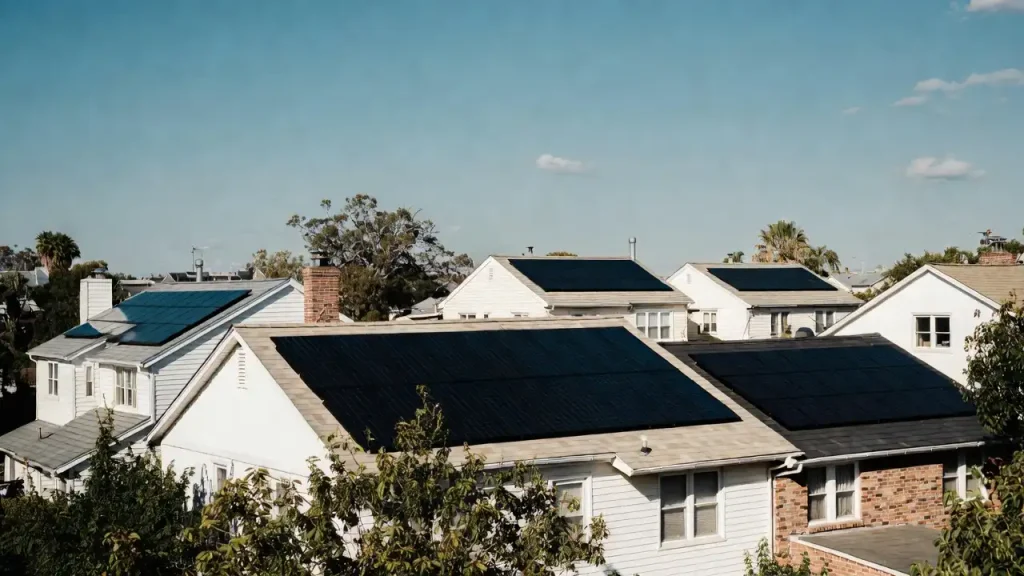
A note on solar panels Las Vegas prices: Nevada has some of the lowest installation costs in the country because the market is mature and highly competitive. Prices there often come in 10–15% below the national average.
For Colorado homeowners: industry data shows that the Colorado solar panel installation cost is expected to increase 5–8% into 2026 due to updated building codes and rising labor costs. If you are in Colorado, 2026 is the ideal year to lock in current pricing.
Cost of solar panels in Texas varies widely by city. Houston tends to be slightly higher than Dallas or San Antonio due to more complex permitting. Either way, Texas homeowners benefit from no state income tax, which makes the federal tax credit even more valuable.
Solar Panel Tax Credit and Incentives: How to Cut Your Cost
Government incentives are the single biggest factor in making solar affordable. Here is a complete breakdown of what is available in 2026:
The Federal Solar Tax Credit (30%)
The most powerful incentive available is the federal solar panel tax credit, officially called the Investment Tax Credit (ITC). It lets you deduct 30% of your total solar installation cost from what you owe in federal income taxes.
- What it covers: Panels, inverter, racking, wiring, labor, permits — the full system cost
- Amount: 30% of total cost. On a $20,000 system, that is $6,000 back
- No cap: There is no maximum dollar limit
- Rollover: If your tax bill is smaller than the credit, the remainder carries forward to next year
- Deadline: 30% through 2032, then steps down to 26% (2033) and 22% (2034)
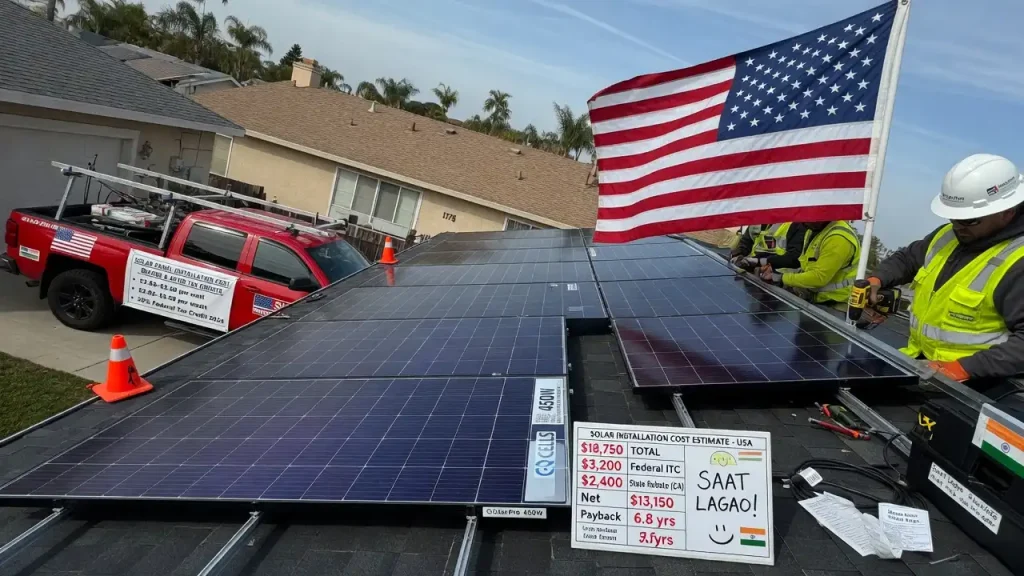
Example: You install a $22,000 solar system. The 30% solar panel tax credit gives you $6,600 back at tax time. Your actual cost drops to $15,400 — before any state incentives.

State Solar Panel Rebates
Many states stack additional solar panel rebates on top of the federal credit. Here are the most valuable ones:
| State | Incentive Type | Typical Savings | Program |
| New York | 25% state tax credit (max $5,000) | $3,000 – $5,000 | NY-Sun Initiative |
| Massachusetts | 15% state credit + production payments | $2,000 – $6,000+ | SMART Program |
| New Jersey | Solar Renewable Energy Certificates | $1,000 – $4,000/yr | SREC Market |
| Maryland | Grant + property tax exemption | $1,000 – $3,000 | MEA Clean Energy Grant |
| Illinois | Adjustable Block Program (ABP) | $3,000 – $8,000 | Illinois Shines |
| Colorado | Utility rebates + property tax exemption | $500 – $2,000 | Xcel Energy / Local |
| California | Net metering + local utility rebates | $500 – $2,500 | NEM 3.0 |
| Florida | Property + sales tax exemptions | $500 – $1,500 | State Law |
To find solar panel incentives near me, visit dsireusa.org — the official Database of State Incentives for Renewables and Efficiency. Every certified installer should also walk you through all available local rebates before you sign.
Net Metering and Solar Panel Buyback Programs
Beyond tax credits, solar panel buyback programs — known as net metering — let you earn money for the excess electricity your panels produce. When your system generates more power than you use, that surplus goes to the grid and your utility company credits your account.
- Full net metering: You earn credits at the full retail electricity rate — the best deal
- Net billing: Credits at a lower wholesale rate — less favorable but still reduces your bill
- Feed-in tariff: A fixed rate per kilowatt-hour you export, regardless of retail prices
Net metering is available in most US states and can shave years off your payback period. Always confirm your local net metering policy before going solar, since California recently changed its rules under NEM 3.0.
Solar Panel Financing: How to Pay for Your System
You do not need $20,000 in the bank to go solar. Here are the main solar panel financing options available to US homeowners in 2026:
Option 1 — Solar Loan (Most Popular)
A solar loan lets you own your system from day one while spreading the cost over time. You keep the full 30% tax credit, which many homeowners use to make a large loan payment in year one.
- Loan amounts: $5,000 – $50,000
- Interest rates: 3.99% – 8.99% APR depending on credit score and lender
- Terms: 5, 10, 15, or 25 years
- Monthly payment: $80–$250 for a typical 6kW system — often offset by electricity savings
- Best for: Homeowners who want to own the system and maximize long-term savings
Option 2 — Solar Lease
Leasing solar panels means a solar company installs and owns panels on your roof. You pay a fixed monthly fee — usually lower than your current electricity bill — and the company handles all maintenance.
- Upfront cost: $0
- Monthly payments: $50 – $150 typically
- You do not own the panels — the company does
- The tax credit goes to the leasing company, not you
- Lease terms: 20–25 years with annual escalation clauses to watch for
Leasing is a good option if you cannot qualify for a loan or prefer zero upfront investment, but your long-term savings will be lower than with ownership.
Option 3 — Power Purchase Agreement (PPA)
Similar to a lease, but instead of a fixed monthly payment you pay per kilowatt-hour of electricity your panels produce — at a rate lower than your utility. No upfront cost, no ownership.
Option 4 — Home Equity Loan or HELOC
If you have equity in your home, this is often the cheapest financing option. Interest rates can be as low as 5–7%, and the interest may be tax-deductible. This is the route most savvy homeowners take when they want to own the system outright at the lowest total cost.
Option 5 — PACE Financing
Property Assessed Clean Energy (PACE) financing lets you repay your solar loan through your property tax bill over 10–25 years. Available in California, Florida, and a growing number of other states. Ask your installer if it is available in your county.
Pro tip: Compare all solar panel financing options by calculating the total cost over 25 years — not just the monthly payment. A $0-down lease often costs more in total than a loan, even though it looks cheaper month-to-month.
How to Get Affordable Solar Panels Without Sacrificing Quality
Affordable solar panels do not mean cheap quality — they mean smart shopping. Here is how experienced solar buyers keep costs down:
- Get at least 3–5 quotes. Solar panel prices vary by 20–30% between installers in the same city. Use EnergySage, SolarReviews, or GetSolar to collect solar panel quotes quickly.
- Choose Tier-1 panels at mid-range prices. Brands like Q CELLS, Canadian Solar, and Jinko Solar produce excellent panels at 25–40% less than SunPower or LG. The efficiency difference is minimal for most roofs.
- Time your purchase. October–December is when installers are most likely to discount prices to hit annual targets. End of quarter is also a good time.
- Use the tax credit strategically. Apply the 30% federal tax credit as a lump payment against your solar loan in year one. This dramatically reduces the total interest you pay.
- Check utility and local rebates. On top of the federal credit, many utilities offer solar panel rebates that can add $500–$3,000 in savings. Always ask before signing.
- Ask about manufacturer promotions. Panel manufacturers periodically run promotions through certified installers — your installer may not mention these unless you ask.
- Avoid the cheapest quote. The lowest-priced installer is often cutting corners on permitting, equipment quality, or after-sale support. The best value is usually the 2nd or 3rd cheapest quote from a certified installer.
Are Free Solar Panels Real?
You may have seen ads for free solar panels. Here is the honest truth: the panels themselves are never truly free. What these programs offer is $0 upfront cost — meaning a lease or PPA where a company installs panels at no charge and you pay for the electricity they produce.
These deals can be genuinely useful for homeowners who cannot qualify for a loan or who do not want ownership responsibilities. But read the fine print carefully — especially escalation clauses that raise your monthly payment 2–3% per year over a 25-year contract.
Some states and utilities do offer limited true subsidies for low-income households. Check with your state energy office or ask your installer about income-based solar assistance programs.
How to Get and Compare Solar Panel Quotes
Getting the right solar panel quotes is the most important step in your solar journey. Here is exactly how to do it:
Step-by-Step: Getting Your Solar Quote
- Collect your last 12 months of electricity bills. Your installer needs your average monthly kWh usage to size your system correctly.
- Use an online marketplace like EnergySage or SolarReviews to request quotes from 3–5 certified installers at once. This takes 5 minutes and saves hours of research.
- Verify installer credentials. Look for NABCEP certification — the gold standard in the US solar industry.
- Ask for fully itemized quotes. A trustworthy solar panel installation cost quote breaks out panel cost, inverter cost, racking, labor, permits, and any other fees separately.
- Compare using cost per watt. Divide each quote’s total price by total system watts. This is the only apples-to-apples comparison.
- Check the savings estimate. A good quote includes a 25-year savings projection based on your electricity usage and local utility rates.
- Confirm all incentives are included. Your quote should show the full cost, the federal tax credit, any state rebates, and the final net cost to you.
What a Good Solar Quote Includes
- System size in kilowatts and estimated annual production in kilowatt-hours
- Panel brand, model, wattage, and efficiency rating
- Inverter brand and type (string, micro, or power optimizer)
- Full breakdown of equipment and labor costs
- All applicable incentives and net cost after the solar panel tax credit
- 25-year savings estimate and payback period calculation
- Warranty details: panel (25 yr), inverter (10–25 yr), workmanship (5–10 yr)
- Available solar panel financing options and monthly payment scenarios
Red flag: Any installer who gives you a quote without reviewing your electricity bills and roof is guessing at your system size. A proper quote requires actual data — not just your zip code.
Are Solar Panels Worth It? The Honest Numbers
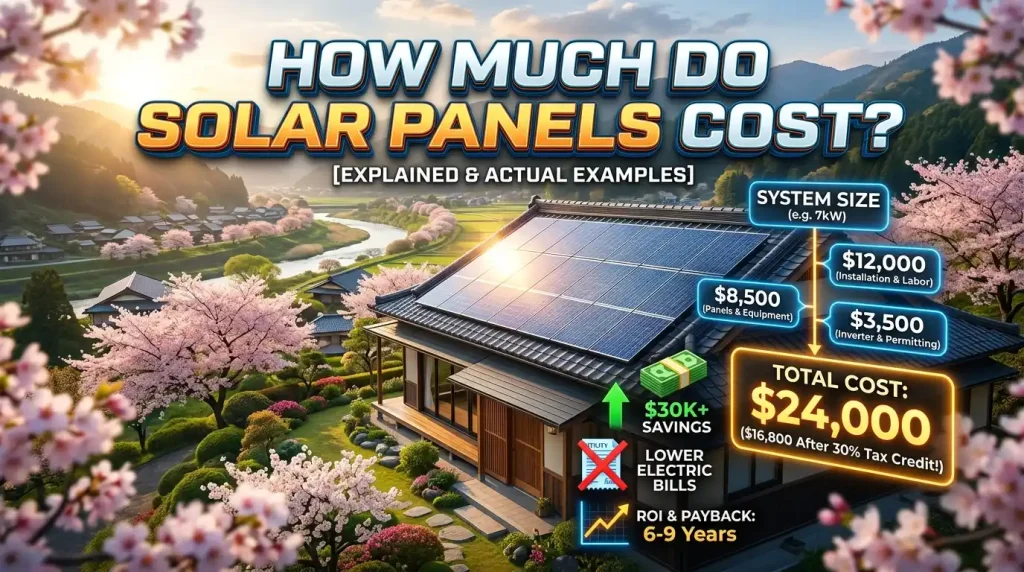
Are solar panels worth it for most US homeowners in 2026? The data says yes — overwhelmingly — but let us look at the actual numbers rather than just trusting the sales pitch.
The True Solar Energy Cost Over 25 Years
The real way to evaluate solar is to compare what you will pay with solar vs. what you will pay without it over the system’s life:
| Scenario | Year 1–10 | Year 11–25 | Total 25-Year Cost |
| Without solar (paying utility) | $1,440 – $2,400/yr avg | $1,800 – $3,600/yr (rates increase) | $36,000 – $66,000 |
| With solar (loan, paid off yr 10) | $80–$200/mo loan payment | $0 (loan paid off) | $9,600 – $24,000 total |
| Net savings with solar | Roughly break-even | Pure savings | $12,000 – $42,000 saved |
The solar energy cost over a 25-year lifespan works out to roughly $0.06–$0.10 per kilowatt-hour — far below the national average utility rate of $0.12–$0.18/kWh (and rising every year).
How Much Do Solar Panels Save?
How much do solar panels save depends on your electricity bill, your local utility rate, and how much sun your roof gets. Here are realistic annual savings estimates:
| Monthly Electricity Bill | Estimated Annual Savings | Payback Period |
| $80 – $120 | $700 – $1,100 | 12–15 years |
| $120 – $180 | $1,100 – $1,600 | 9–13 years |
| $180 – $250 | $1,600 – $2,200 | 7–10 years |
| $250 – $350 | $2,200 – $3,100 | 6–9 years |
| Over $350 | $3,000 – $4,500+ | 5–7 years |
After your solar loan is paid off — typically in year 8–12 — every dollar of electricity your panels produce is pure savings. That is 13–17 years of free electricity from a 25-year system.
Does Going Solar Increase Home Value?
Yes. Multiple studies, including research from Lawrence Berkeley National Laboratory, show that homes with owned solar systems sell for 3–4% more on average than comparable homes without solar. On a $400,000 home, that is $12,000–$16,000 in added value — which means solar can essentially pay for itself through home equity alone, before you count a single dollar in electricity savings.
Are solar panels worth it? For most US homeowners who own their home, have a tax liability (to use the credit), and plan to stay at least 5–7 years: yes. The payback is real, the savings are real, and home value increases are real.
Solar Module Cost vs. Solar Panel Cost: Is There a Difference?
You may see the terms solar module cost, solar plate, and solar panel used interchangeably — and for good reason. They all refer to the same physical product: the flat panel that converts sunlight into electricity.
In the industry, ‘module’ is the technical term used by manufacturers and engineers. ‘Panel’ is the consumer term. ‘Plate’ is an informal term common in South Asia and some international markets. When any solar plate company or installer uses these terms, they mean the same thing.
At the wholesale level — what installers pay — solar module cost is typically $0.25–$0.50 per watt. At retail (what you pay if you buy directly), expect $0.75–$1.50 per watt. The gap exists because installers buy in large quantities and have established supplier relationships.
Frequently Asked Questions About Solar Panel Cost
What is the home solar panel system cost including battery?
A complete home solar panel system cost with a battery backup (like Tesla Powerwall) runs $23,000–$45,000 before incentives. The battery itself adds $8,000–$15,000. After the 30% tax credit — which now applies to batteries too — the total drops to $16,000–$31,500 for most systems.
What is solar energy installation cost per kilowatt-hour?
The solar energy installation cost divided over the system’s 25-year lifespan comes to approximately $0.06–$0.10 per kWh generated. The US national average utility rate is $0.13/kWh and rising — so solar produces power at roughly half the cost of grid electricity.
How do I use a solar panel cost calculator?
A solar panel cost calculator — available on most installer websites and on EnergySage — takes your monthly electricity bill, zip code, and roof details to estimate your system size, cost, savings, and payback period. Always use your actual electricity bills for the most accurate result.
Are solar panels expensive compared to utility bills?
Upfront, yes — solar panels require a significant investment. But are solar panels expensive when compared over 25 years? No. The average US homeowner spends $36,000–$66,000 on electricity over 25 years at current rates. A solar system that costs $15,000 after incentives saves you $21,000–$51,000 over that same period.
What is the difference between leasing and buying solar panels?
Leasing solar panels means you pay monthly for the electricity they produce but do not own the equipment. Buying means you own the system, claim the tax credit, and keep all the savings. Ownership almost always offers better long-term value — leasing is only preferable if you cannot qualify for a loan or do not have sufficient tax liability to use the credit.
How long until solar panels pay for themselves?
The payback period for solar panels in the US ranges from 6 to 15 years depending on your electricity rate, system cost, and available incentives. The national average is about 8–10 years. After payback, panels typically continue producing electricity for another 15–20 years — all of it essentially free.
What if I move before my solar loan is paid off?
If you own your solar system, it typically increases your home’s sale price enough to cover the remaining loan balance — so most homeowners break even or come out ahead. If you have a lease, you will need to either transfer the lease to the new owner or buy out the lease before selling. This is why ownership (loan or cash) is generally preferred over leasing.
Key Takeaways: Solar Panel Cost in 2026
Here is everything you need to know about solar costs in one place:
| Factor | What to Know |
| Average cost (6kW system) | $15,000 – $21,000 before incentives |
| After 30% federal tax credit | $10,500 – $14,700 for most homes |
| Cost per watt (installed) | $2.50 – $3.50/W — compare all quotes this way |
| Single panel cost (400W) | $220 – $350 retail |
| Cheapest states | Nevada, Arizona, Florida — high competition, great sun |
| Most expensive states | Massachusetts, Connecticut, New York — but strong state incentives offset |
| Federal tax credit | 30% of total system cost through 2032 |
| Typical payback period | 6 – 12 years |
| Annual electricity savings | $900 – $3,000+ depending on system size and location |
| System lifespan | 25 – 30 years with minimal maintenance |
| Home value increase | 3–4% premium on resale value |
Solar has never been more affordable, more accessible, or more financially rewarding than it is right now. The federal tax credit is at its highest level through 2032, panel prices have dropped 60% over the past decade, and financing options make it possible to go solar with $0 upfront if needed.
Your next step: get 3–5 quotes from certified installers in your area, ask each one to walk you through all available incentives and rebates, and compare them on cost per watt and 25-year savings. The numbers will speak for themselves.
Ready to find your exact solar panel cost? Get free, no-obligation quotes from NABCEP-certified installers in your area. Compare prices, incentives, and financing options — and find out exactly what solar will cost and save you in 2026.
This guide was written to provide accurate, unbiased solar cost information for US homeowners.
Always get multiple quotes from licensed, insured, NABCEP-certified installers before making any purchase decision.